Whether you're going through IVF, egg freezing or egg donation, one step you can't skip is egg retrieval. So how is egg retrieval actually done? Are there side effects afterwards, and what should you look out for? This illustrated guide walks you through it, step by step.
What Happens During Egg Retrieval?
Egg retrieval is a short, minimally invasive procedure. While you're under light sedation, the doctor uses ultrasound to guide a fine needle to your ovaries and gently draws out your eggs. There's no incision, and you can usually go home the same day. Here's what happens, step by step.
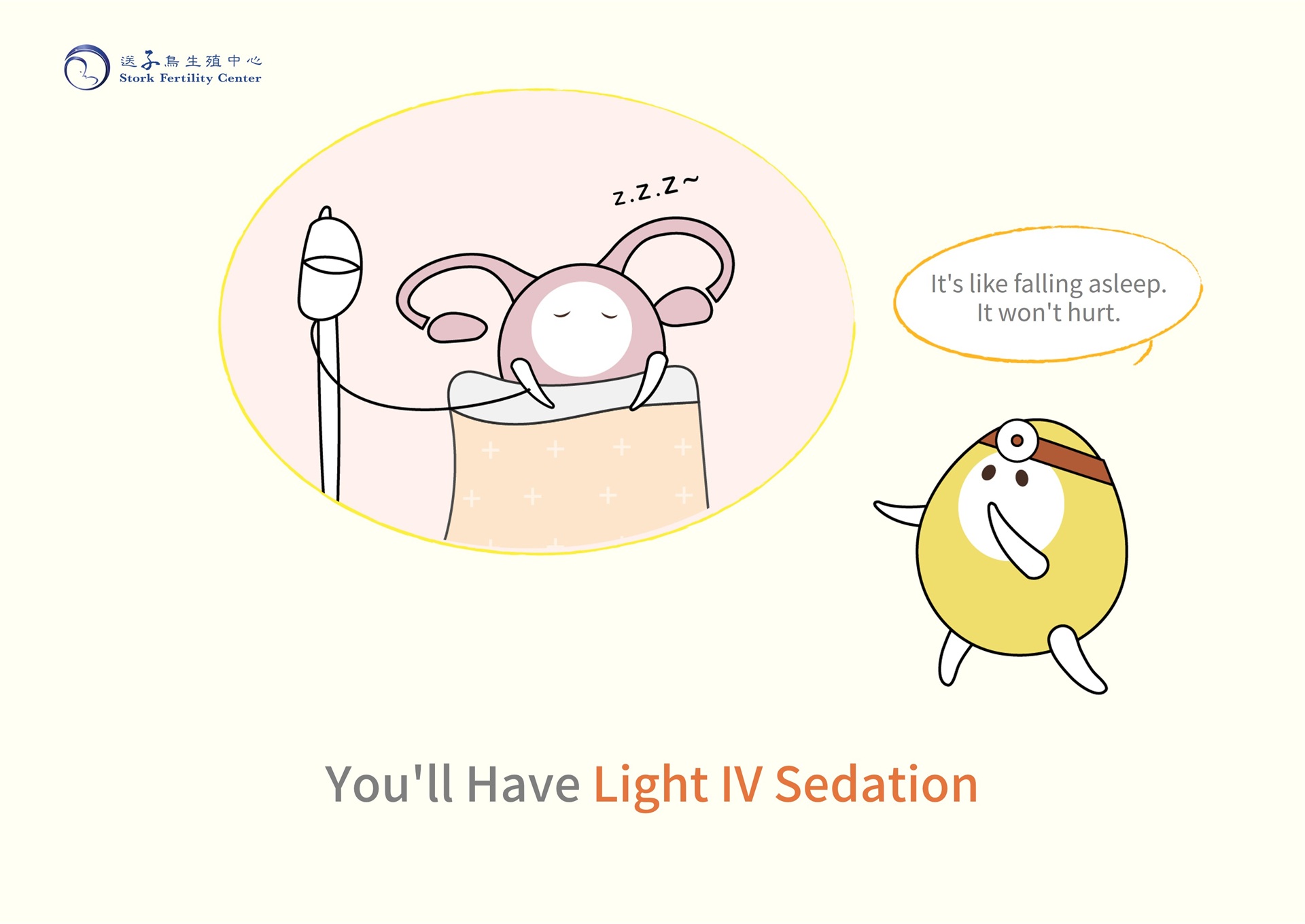
1. Light IV Sedation: You'll Sleep Through It
Before the procedure begins, you'll be given light sedation through an IV drip. It feels like falling asleep, so you won't feel any pain during the procedure.
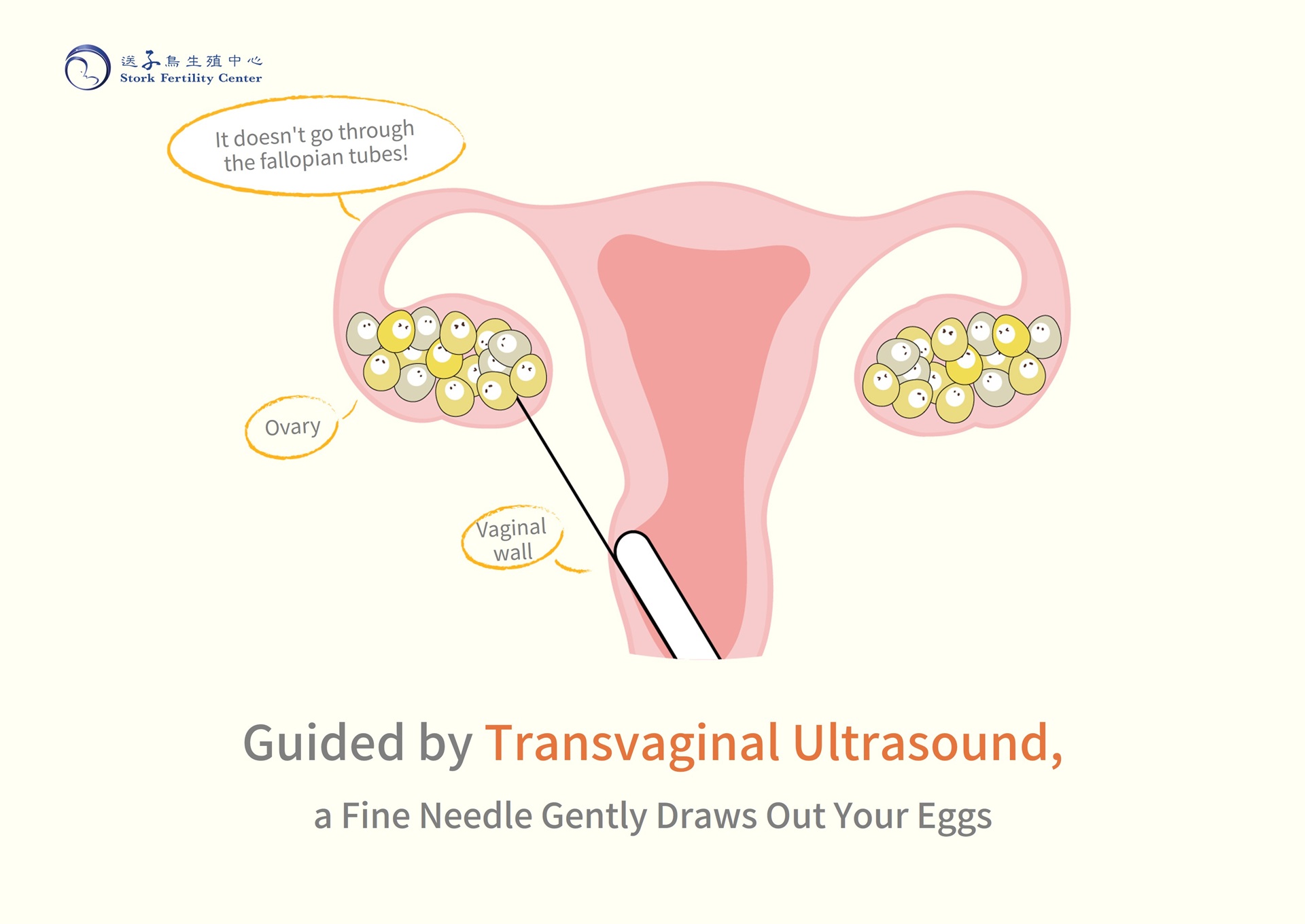
2. Ultrasound-Guided Retrieval
Using transvaginal ultrasound, the doctor locates each follicle. A fine retrieval needle then passes through the vaginal wall into the ovary to draw out the follicular fluid. The needle does not go through the fallopian tubes. Our embryologists immediately examine the fluid under a microscope to find your eggs.
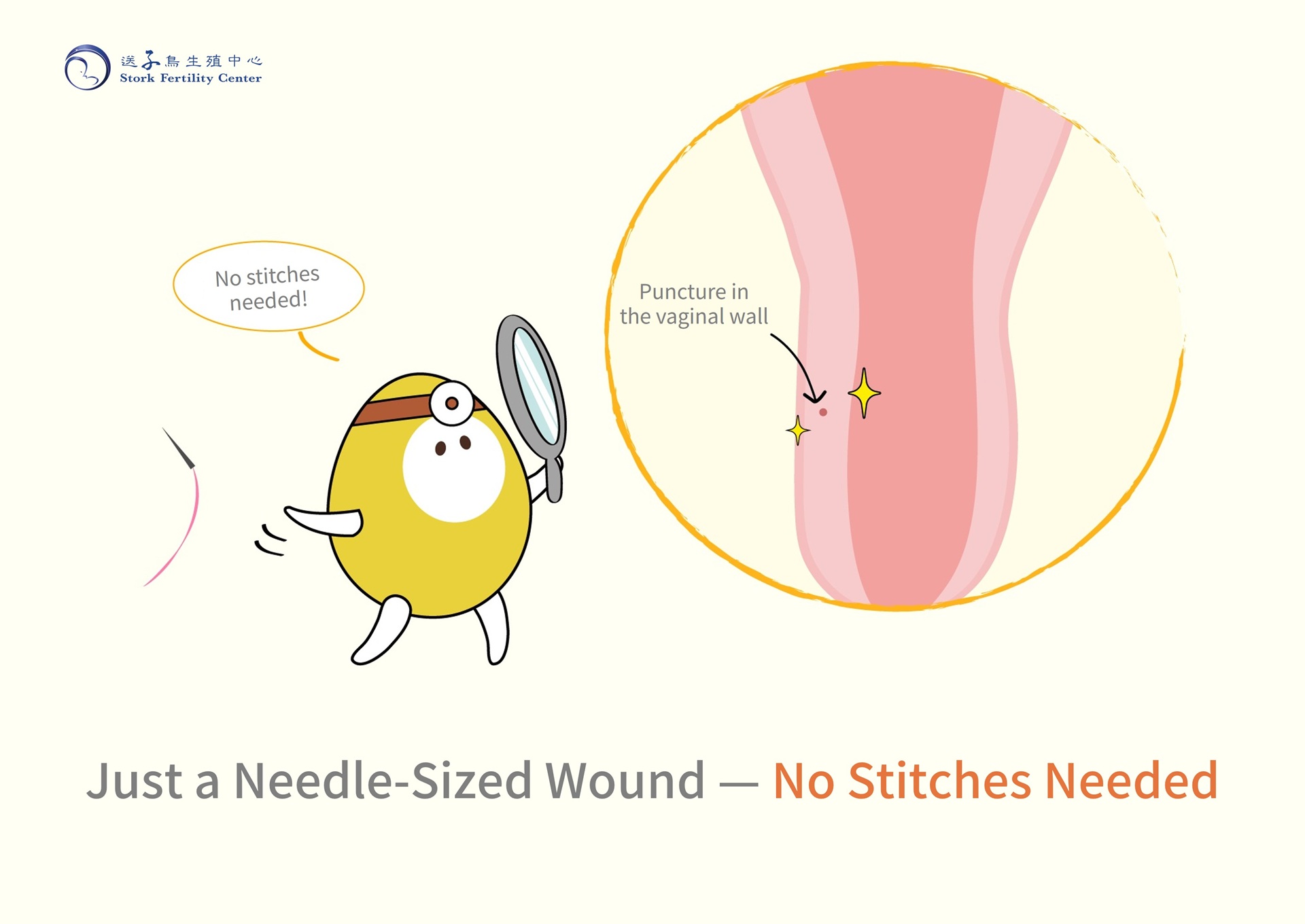
3. A Needle-Sized Wound, No Stitches
The only wound is a tiny puncture in the vaginal wall, about the size of a needle, so no stitches are needed.
How Long Does Egg Retrieval Take?
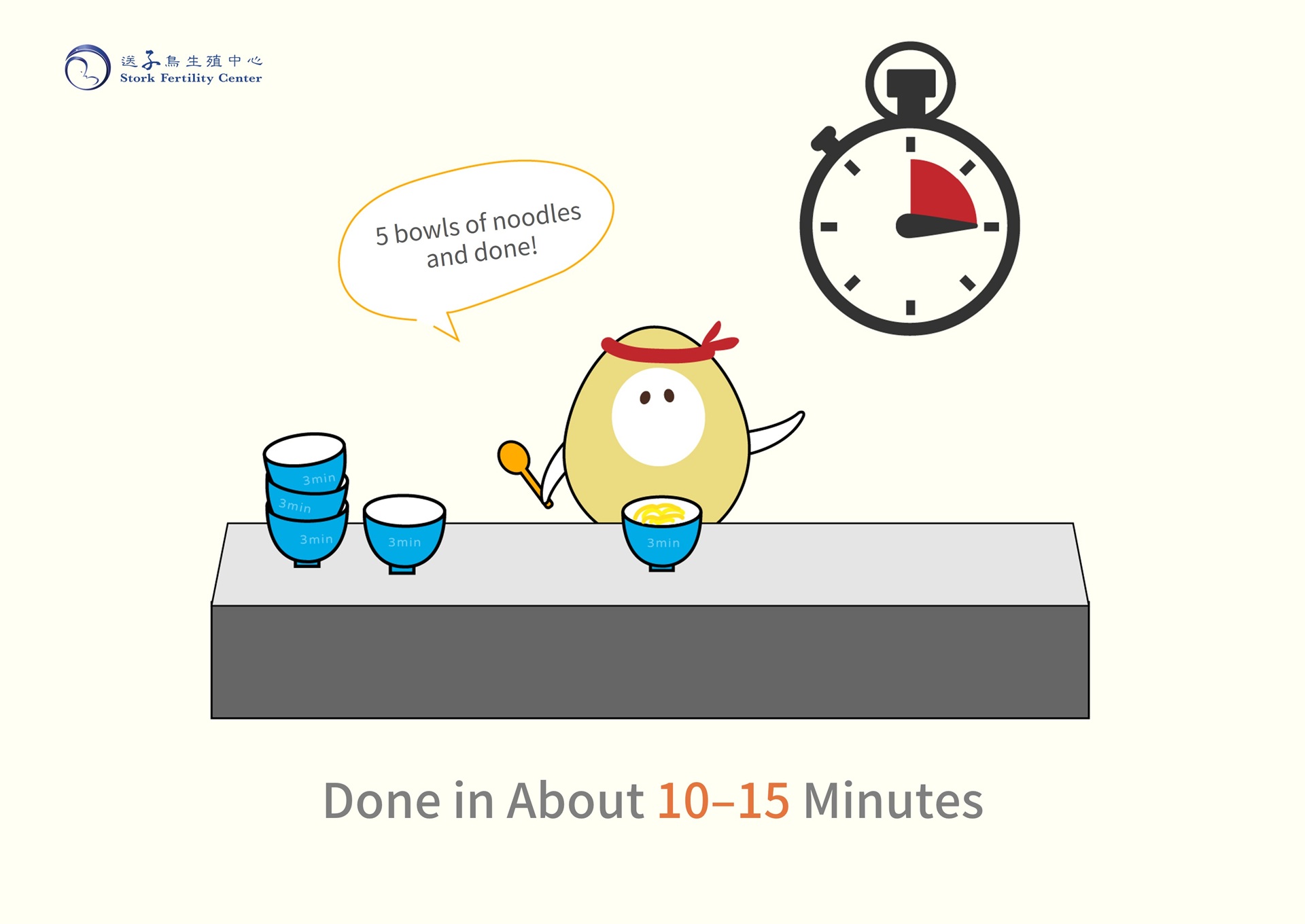
The procedure itself takes only about 10–15 minutes. Afterwards, you'll rest at the clinic until the sedation wears off.
Can You Go Home the Same Day After Egg Retrieval?
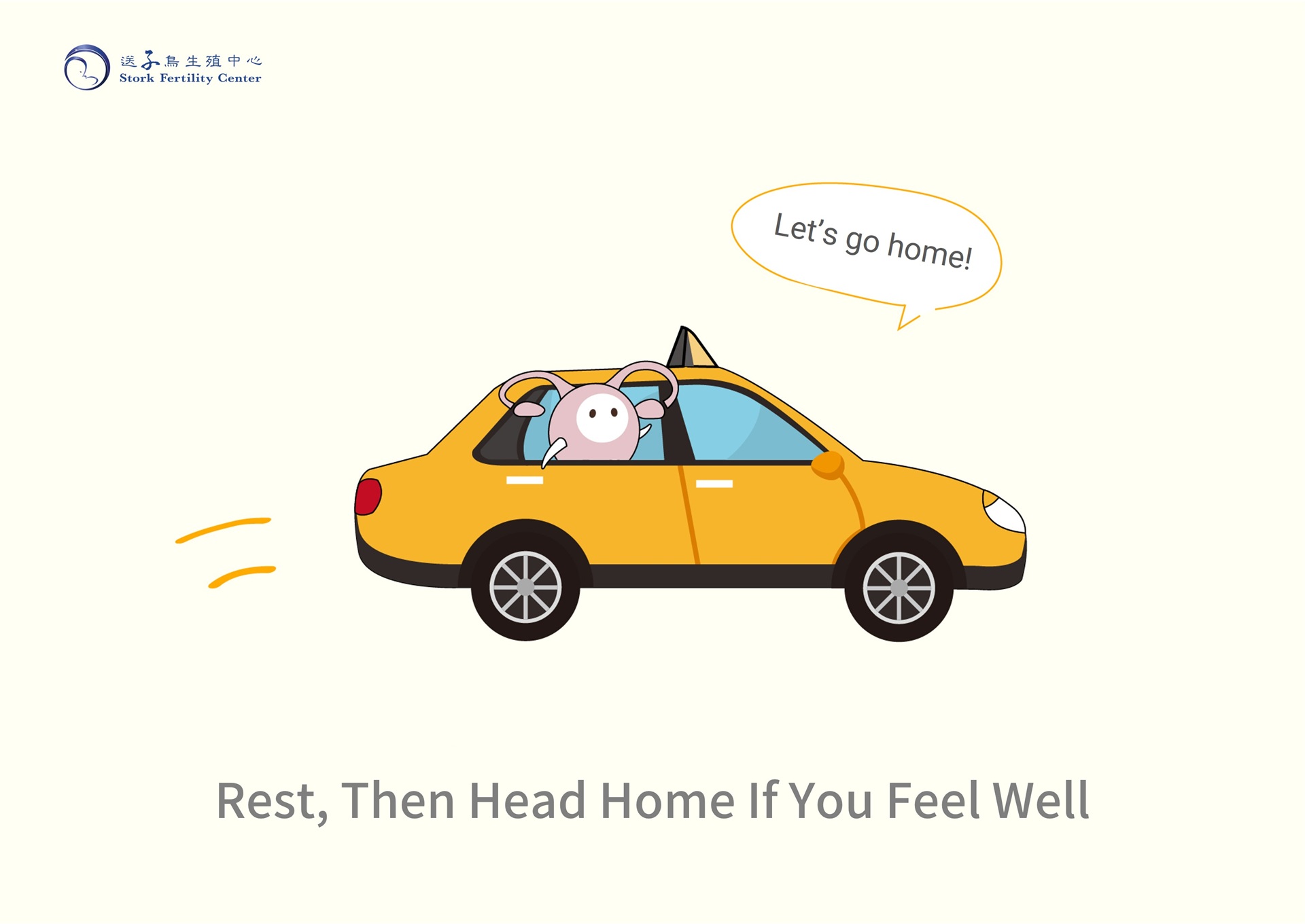
Yes. Once the sedation wears off and you're fully awake, you can go home the same day if you feel well. There's no need to stay in hospital.
What Side Effects Can You Expect After Egg Retrieval?
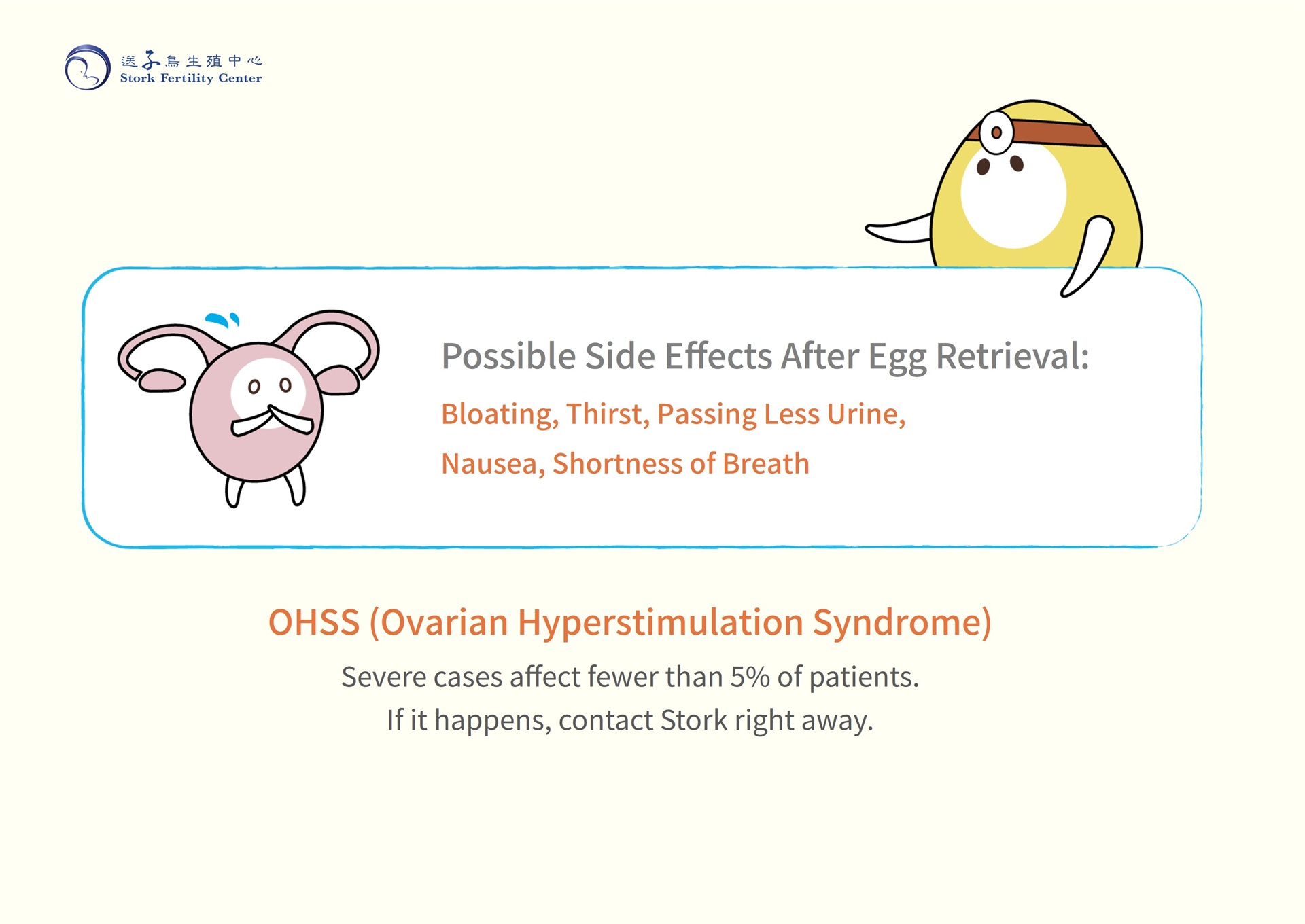
Mild bloating and discomfort are common after egg retrieval and usually ease within a few days. Possible side effects include:
- Bloating
- Thirst
- Passing less urine than usual
- Nausea
- Shortness of breath
When these symptoms are severe or keep getting worse, they can be signs of ovarian hyperstimulation syndrome (OHSS). Severe OHSS affects fewer than 5% of patients. If you think it's happening to you, contact your fertility center as soon as possible. Learn more about the risks of egg retrieval and how we prevent OHSS in Does Egg Freezing Have Long-Term Side Effects?
How Should You Take Care of Yourself After Egg Retrieval?
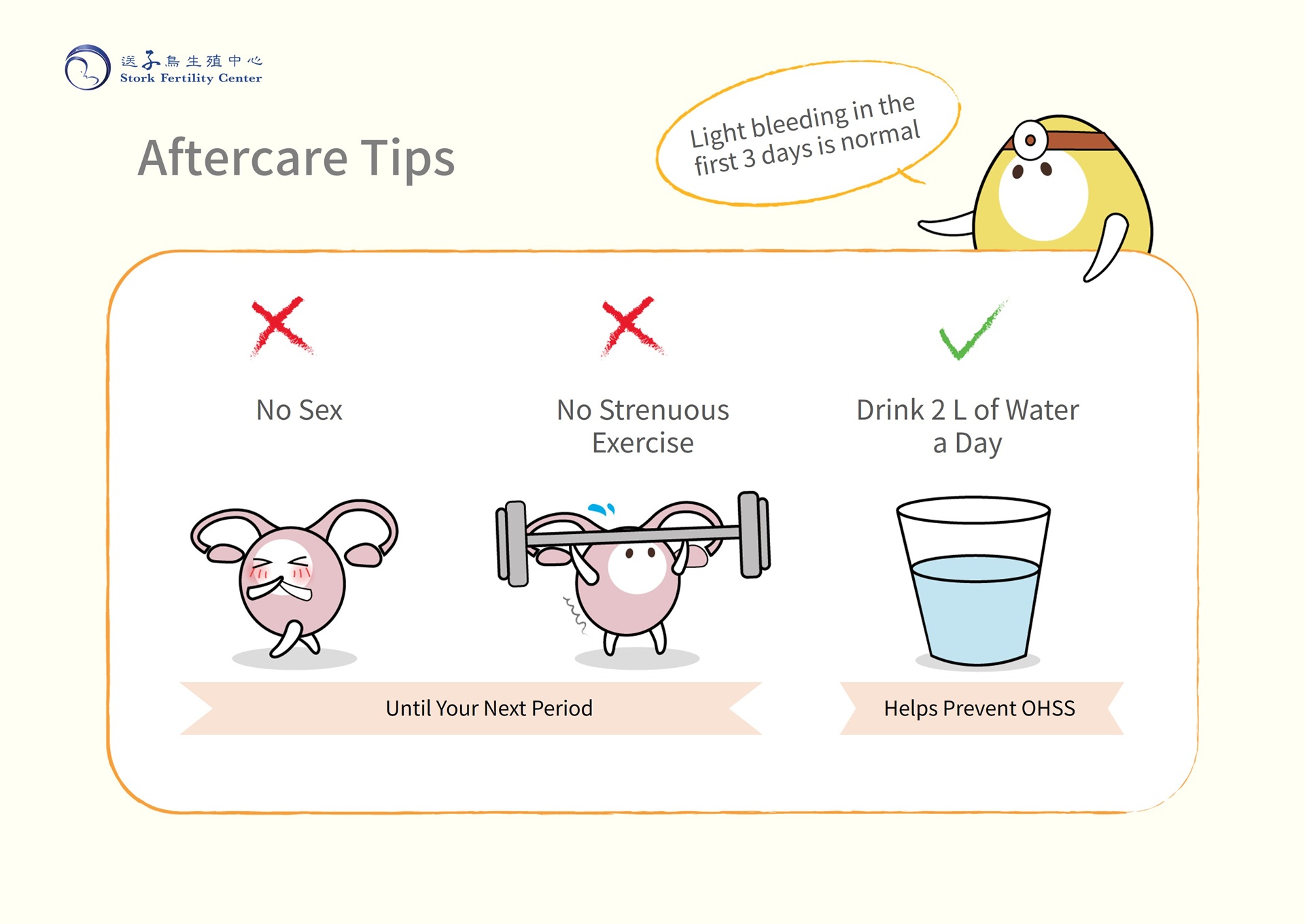
Rest, drink plenty of water and avoid sex and strenuous exercise until your next period. Here are our aftercare tips:
- Light bleeding is normal: A small amount of vaginal bleeding in the first 3 days after egg retrieval is normal.
- Avoid sex and strenuous exercise: Hold off on both until your next period arrives.
- Drink plenty of water: To lower your risk of OHSS, drink at least 2,000 ml (about 2 liters) of water a day after egg retrieval.
- Know when to get help: If you have heavy bleeding, severe abdominal pain, a fever or difficulty breathing, go to the emergency department at your nearest hospital right away, and contact us by phone, LINE or WhatsApp at the same time.
Is Egg Retrieval Painful or Difficult?
Not as much as most people expect. With light sedation, a 10–15 minute procedure, no stitches and no hospital stay, egg retrieval is quicker and easier than most people think. At Stork Fertility Center, our team will explain every step before your procedure and support you through your recovery.
Have questions about egg retrieval? Contact us online, and we'll help you plan your next step.
Does Egg Freezing Have Long-Term Side Effects? Risks, Myths & Prevention
Egg Freezing at Stork Fertility Center: What to Expect