Success Doesn't Come Easy
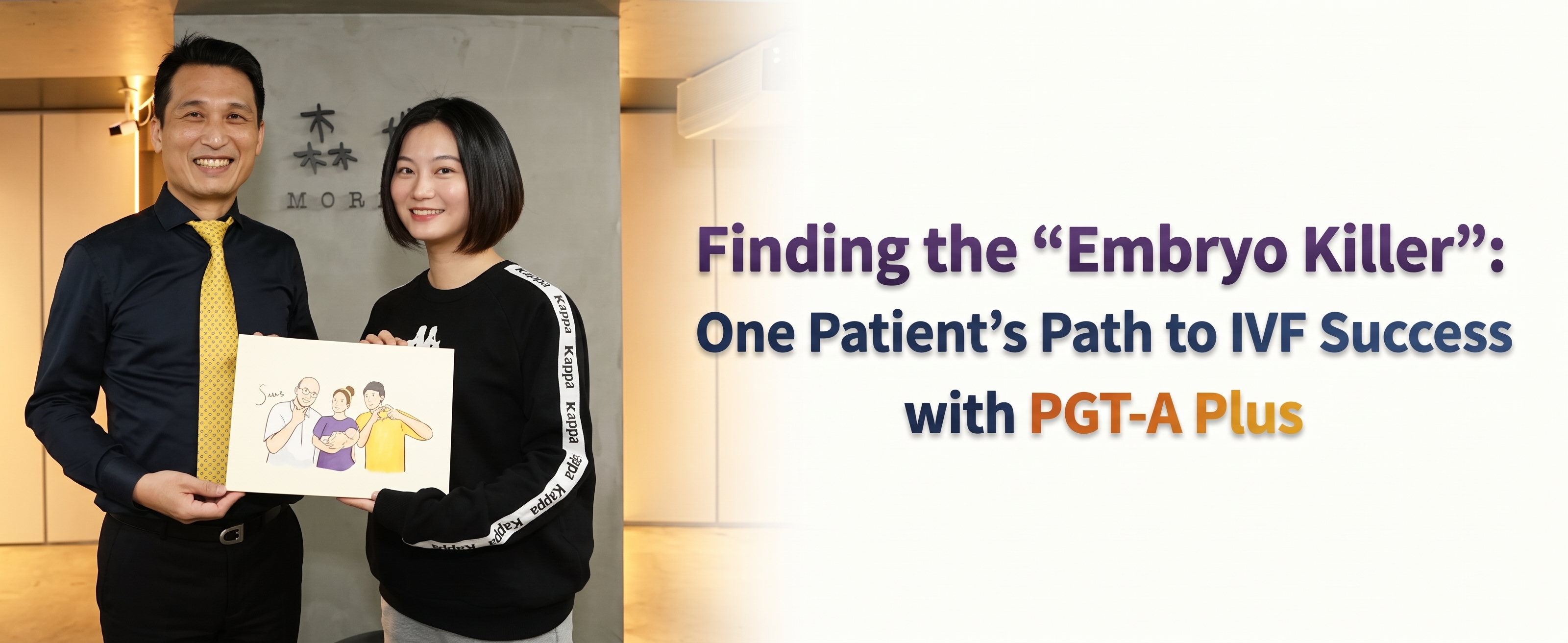
Zhao and Liu first tried to conceive naturally, working through medical checks and lifestyle adjustments. Just before turning 40, and despite a longstanding fear of needles, Zhao decided it was time to pursue treatment. She started with IUI, then moved to conventional IVF after that didn't work — retrieving more than 10 eggs and transferring 3 embryos, only to face another disappointment.
"Why me?" she asked at one especially low point. Her honesty resonated with many people going through their own fertility struggles, and the encouragement she received in return helped her keep going.
On her YouTube channel, Zhao documented the journey openly. After two unsuccessful cycles, on the day her third transfer results came in, Dr. Hsing-Hua Lai at Stork Fertility Center's Taipei clinic showed her a bHCG blood test reading of 69.53 — the highest number she had ever seen — and she cried tears of joy. Liu later shared that watching her go through the medications, injections, and physical toll had been hard on him too, but she stayed strong through all of it.

PGT-A: Precision Selection to Improve Implantation
Across two egg retrievals, the couple collected 33 eggs in total. Zhao's AMH (a marker of ovarian reserve) was excellent for her age, which supported a strong egg count and ultimately produced 9 good-quality blastocysts.
Dr. Lai emphasized that quality matters more than quantity: for women of advanced maternal age, only around one or two of every nine blastocysts are typically chromosomally normal, since the risk of chromosomal abnormality rises with age. That's the case for pre-implantation genetic testing — PGT-A, sometimes still referred to by its older name, PGS.
The clinic used PGT-A analysis alongside a mitochondrial-score index to rank the embryos by implantation potential, prioritizing the ones most likely to establish an ongoing pregnancy and helping reduce the risk of miscarriage.
Fine-Tuning the Uterine Environment with ERA
With every embryo now precious after earlier failed transfers, Dr. Lai recommended a three-part endometrial examination, including ERA (endometrial receptivity analysis), to pinpoint Zhao's optimal transfer window.
The uterus only accepts an embryo when its "implantation window" is open — and roughly 30% of women have a window that falls outside the typical timing. Testing also showed, through two companion tests of the endometrial microbiome, that Zhao's endometrium lacked enough beneficial bacteria, so a course of probiotics was recommended to help create better conditions for implantation.
Dynamic Triple Detection Uncovers the "Embryo Killer"
After a second failed transfer, Dr. Lai identified that Zhao's own body was mounting an immune response against the embryos. After nearly six months of adjustment, her third transfer succeeded — combining a PGT-A-screened embryo, ERA-guided timing, and a dynamic triple detection that tracked her immune and clotting markers throughout the cycle so her medication could be adjusted along the way.
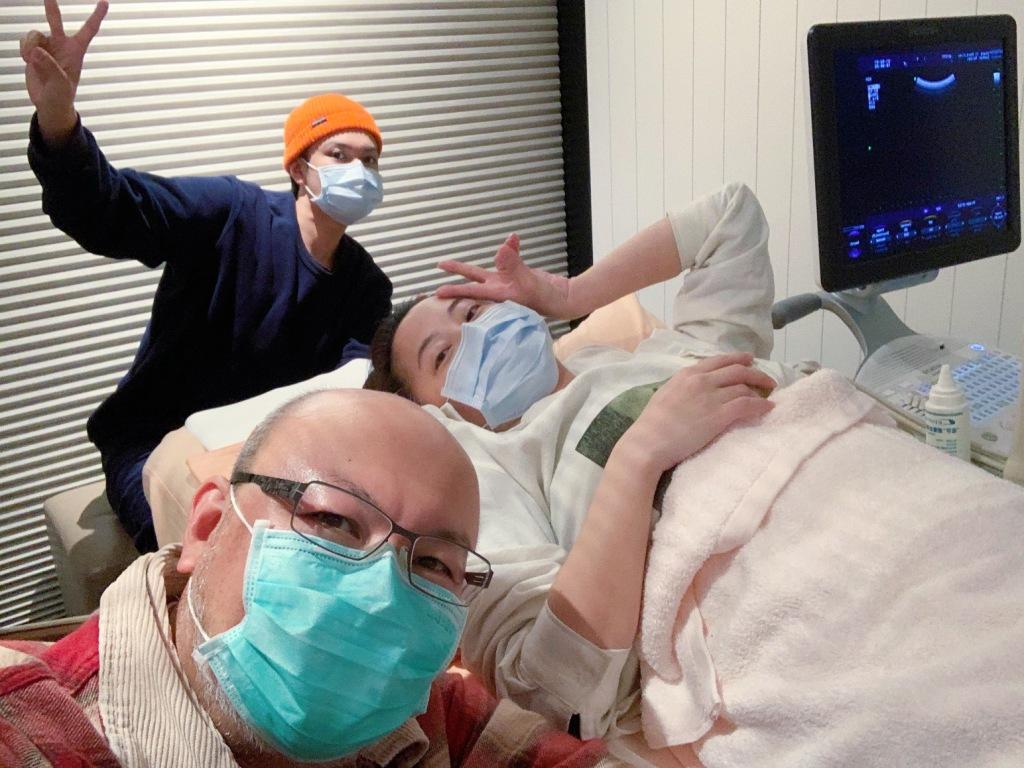
The pregnancy itself required ongoing support: her apartment filled up with syringes, and her abdomen bore the bruises of daily injections. Medication side effects left her lightheaded and nauseated much of the day. Her husband felt for her, but she pushed through it for their baby's sake — and the PGT-A Plus protocol finally succeeded.
PGT-A Plus: Precision Medicine, and Where the Other 20% Comes From
As Dr. Lai puts it, embryo appearance can be deceiving. Even though Zhao looked younger than her age, her embryos still needed PGT-A screening for chromosomal conditions such as Down syndrome, exactly as any patient's would. Skipping ERA testing carries roughly a 30% chance of missing a patient's true implantation window — and identifying what's holding a difficult case back takes careful, methodical investigation, not guesswork.
In Stork's own case data, single-embryo transfers using the PGT-A Plus protocol have reached success rates as high as 80% — though even within that protocol, some patients develop immune or clotting abnormalities only after transfer, despite normal results beforehand. That's why the clinic uses serial monitoring through the cycle and adjusts medication accordingly, aiming to give implantation the best possible support.
|
Protocol |
What it involves |
Pregnancy rate (Stork's in-house case data) |
|
Conventional IVF |
Egg and sperm retrieval, natural or ICSI fertilization; embryos selected by appearance alone |
40–50% |
|
PGT-A (Third-Generation IVF) |
Adds chromosomal screening of embryos before transfer |
60–70% |
|
PGT-A Plus |
Combines PGT-A with a three-part endometrial examination (ERA and two companion microbiome tests) and individualized tracking of uterine, immune, and clotting markers |
80%+ — the highest of the three protocols in Stork's own case series |
If recurrent implantation failure or unexplained IVF loss is part of your own story, Stork Fertility Center's team can walk you through whether PGT-A, ERA, or immune and clotting examinations could be relevant to your case.
This article shares one patient's individual treatment experience; it is general information about PGT-A, ERA, and embryo transfer, not individual medical advice. IVF and embryo transfer carry risks and possible side effects — including the effects of ovarian stimulation, OHSS, and the possibility of multiple pregnancy — and no protocol can guarantee implantation or a live birth. Figures cited are Stork Fertility Center's own in-house statistics; individual results vary, so please confirm what applies to your situation at a consultation.