More women today are choosing to marry and start families later, and egg freezing has become an important way to preserve fertility and keep future options open. But when you're finally ready to have a baby, how do you actually use those frozen eggs? Will you need IVF? And can you use them in another country? In this article, we walk through how pregnancy works after egg freezing, what your options are, and what affects your chances of success, so you can plan ahead with confidence.
How Do You Get Pregnant with Frozen Eggs? Personalized Precision IVF (PP-IVF)
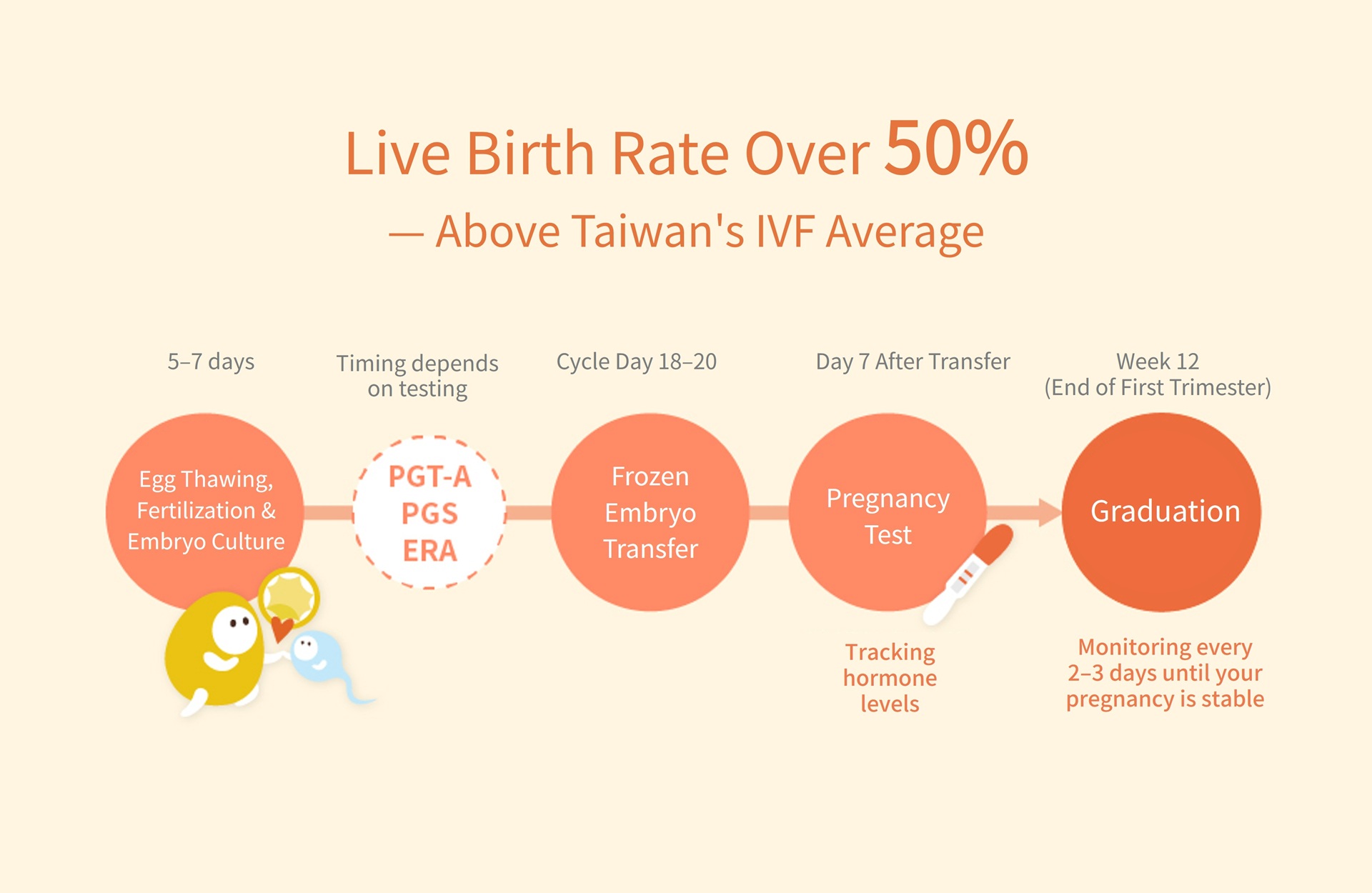
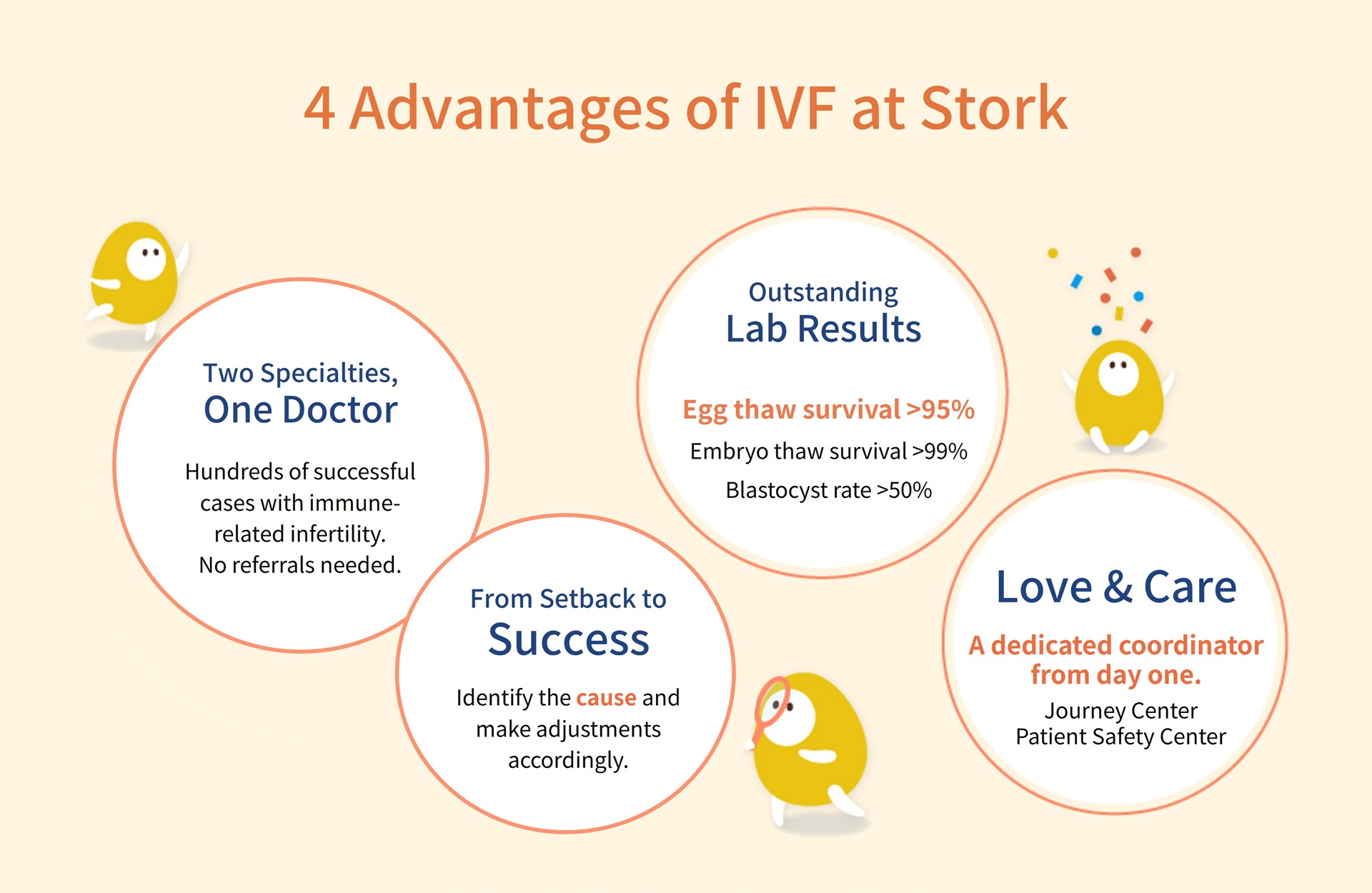
To get pregnant with frozen eggs, you'll need IVF. Egg freezing preserves unfertilized eggs, so when you're ready to conceive, the eggs are thawed in the lab and fertilized with sperm from your partner or a donor. The resulting embryos are cultured and then transferred into your uterus. At Stork Fertility Center, our Personalized Precision IVF (PP-IVF) program has an average live birth rate of over 50%, giving you a much better chance of a successful pregnancy.
Can You Use Your Frozen Eggs Overseas?
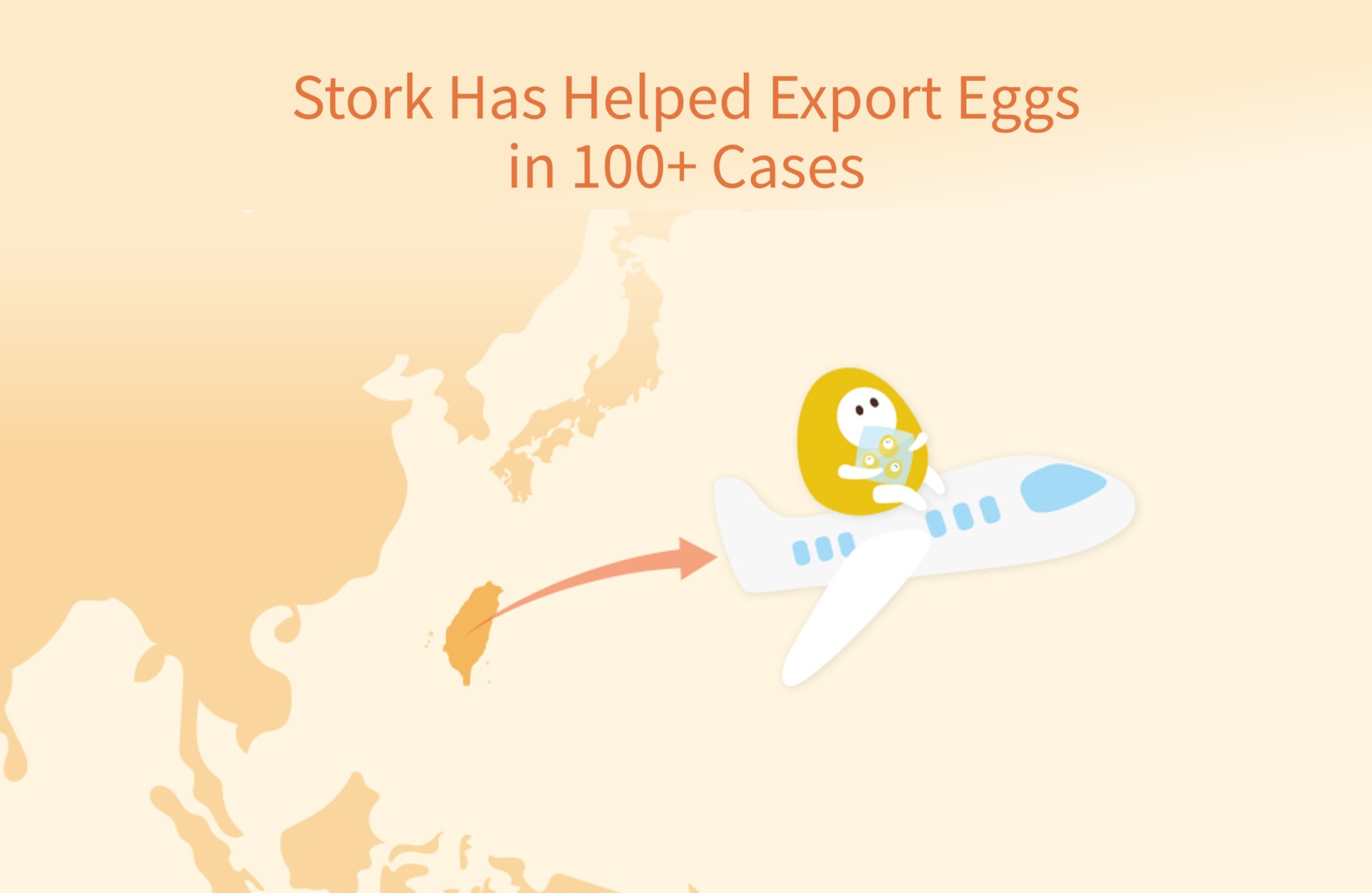
Yes. If you plan to have fertility treatment in another country, you can legally apply to have your frozen eggs shipped there. Stork Fertility Center has a well-established egg export process and extensive experience working with clinics abroad. We've helped patients ship their eggs to countries including the United States, Canada and Ukraine for IVF, with more than 100 cases to date.
What Are the Success Rates of IVF with Frozen Eggs?
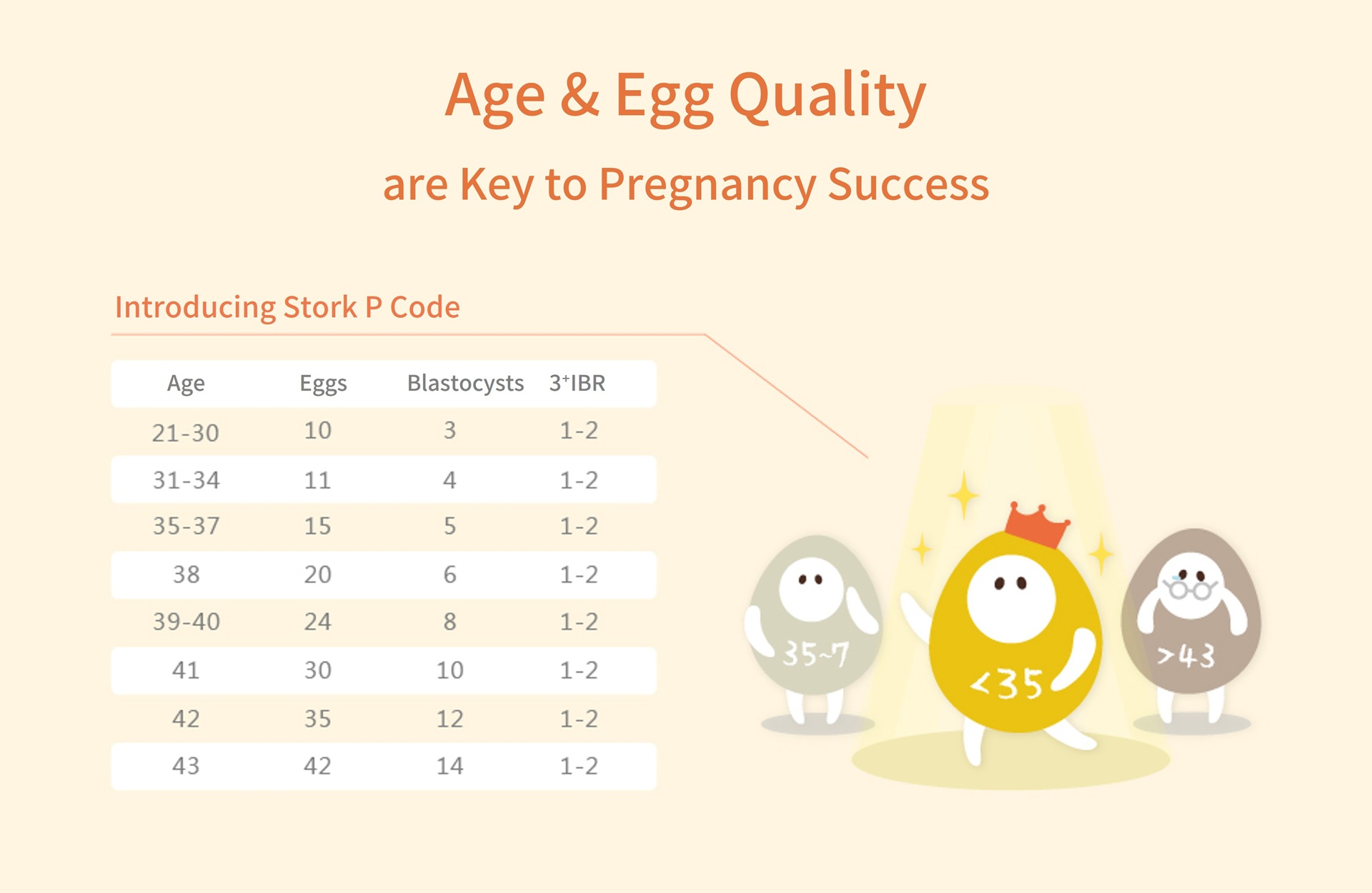
Your chances of success with frozen eggs depend mainly on your age and egg quality at the time of freezing. In general:
-
Eggs frozen before age 35 lead to higher pregnancy rates.
-
Freezing enough eggs for your age gives you a 90% chance of bringing home a baby.
The fertility center you choose also has a direct impact on pregnancy and live birth rates. Look for a center that offers:
-
A high-standard laboratory with advanced embryo culture technology
-
Physicians experienced in reproductive immunology, so all your care happens in one place
-
A dedicated care coordinator who supports you through every step of treatment
-
A clear analysis of why a transfer didn't work, so no failed cycle goes unexplained
Egg Freezing: An Insurance Policy for Your Future Fertility
Egg freezing isn't just about storing eggs. It's a proactive plan for the family you want in the future. When you're ready to use your eggs, whether for IVF in Taiwan or at a clinic overseas, choosing the right fertility center can make your path to pregnancy smoother and less stressful.
If you have questions about using your frozen eggs, talk to a fertility specialist early. They can build a pregnancy plan around your age, AMH level and personal goals.
Egg Freezing at Stork Fertility Center: What to Expect