This article explains, from a medical perspective, the pregnancy process and options after egg freezing, so you can plan ahead with confidence.
How to Get Pregnant with Frozen Eggs: Personalized Precision IVF (PP-IVF)
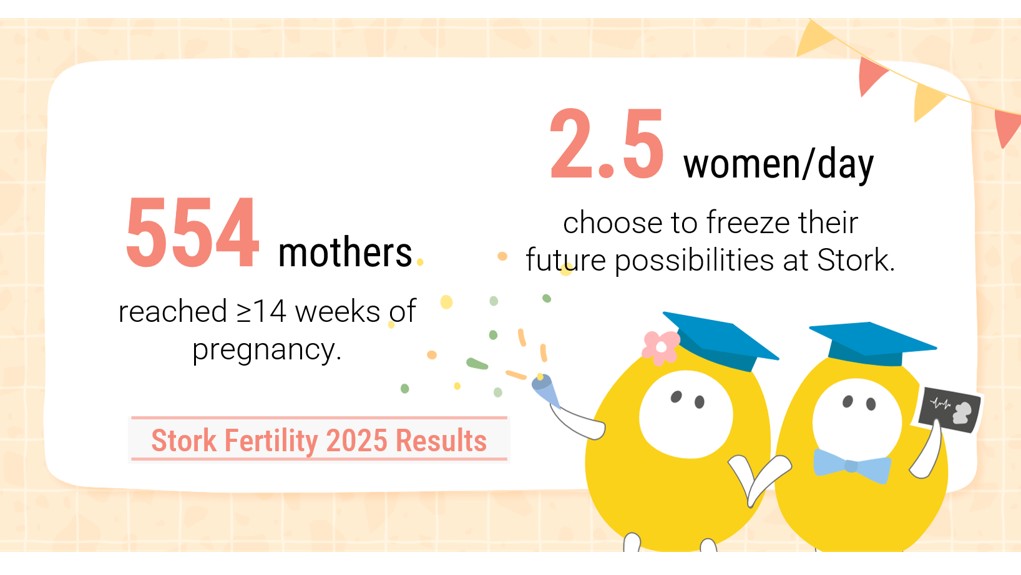
Egg freezing preserves unfertilized eggs, so when you're ready to conceive, they are used through an IVF treatment (PP-IVF). The frozen eggs are thawed in the laboratory and fertilized outside the body with sperm from your partner or a donor. The resulting embryos are then cultured and transferred into the uterus to help you achieve a pregnancy. Stork Fertility Center's Personalized Precision IVF has an average live birth rate of over 50%, significantly improving your chances of pregnancy.

Can Frozen Eggs Be Exported Overseas?
If you plan to undergo fertility treatment abroad in the future, you can legally apply to export your frozen eggs. Stork Fertility Center, for example, has a well-established egg export process and extensive international experience, and has helped ship eggs to countries such as the United States, Canada and Ukraine for IVF treatment there — more than 100 cases to date.

Pregnancy Success Rates with Frozen Eggs and Key Factors
The success rate of IVF with frozen eggs depends on your age and egg quality at the time of freezing. In general:
-
Eggs frozen before age 35 have higher pregnancy success rates
-
Freezing enough eggs for your age gives a 90% chance of taking a baby home

In addition, whether a fertility center offers the following directly affects pregnancy and live birth rates:
-
A high-standard laboratory and advanced embryo culture technology
-
Physicians experienced in reproductive immunology, for one-stop fertility care
-
A dedicated care coordinator throughout treatment, so you feel supported at every step
-
Analysis of the causes behind an unsuccessful transfer, so a failed cycle never goes unexplained

Egg Freezing Is Insurance for Your Future Fertility — Know the Next Steps
Egg freezing is more than storing eggs; it's a proactive plan for your future family. When you're ready to use your frozen eggs — whether for IVF in Taiwan or by exporting them overseas — choosing the right fertility center can make your path to pregnancy smoother and more reassuring.
If you have more questions about using frozen eggs, we recommend consulting a fertility clinic early to create a pregnancy plan tailored to your age, AMH level and personal needs.
What Is Egg Freezing? Costs and Subsidies Explained
Exporting Eggs, Sperm or Embryos: The Process You Need to Know