
Freezing eggs at age 31, preserving happiness at age 43: How AI can turn fertility into a manageable time asset – An interview with CommonWealth Magazine

At the age of 31, while accompanying her mother through medical treatment, Linn gained a profound understanding of the value of life. This experience led her to decide to freeze her eggs ahead of schedule, preserving an option and possibility for her future.
Twelve years later, she met her life partner in the United States and transported the eggs she had cryopreserved at Stork to the U.S. for use. These eggs, frozen for more than a decade, were successfully fertilized, cultured, and implanted, resulting in a healthy pregnancy. Her daughter is now one year old. This is not only a touching life story but also a benchmark case of Taiwan's vitrification cryopreservation technology, demonstrating how long-term preservation can maintain high quality.
Linn's cryopreservation duration significantly exceeds that of most customers, providing compelling evidence of the long-term stability of vitrification technology. According to years of clinical data from Stork, thawed eggs consistently maintain a survival rate above 95%. For women under 38, the fertilization and embryo development rates of thawed eggs are nearly identical to those of fresh eggs.
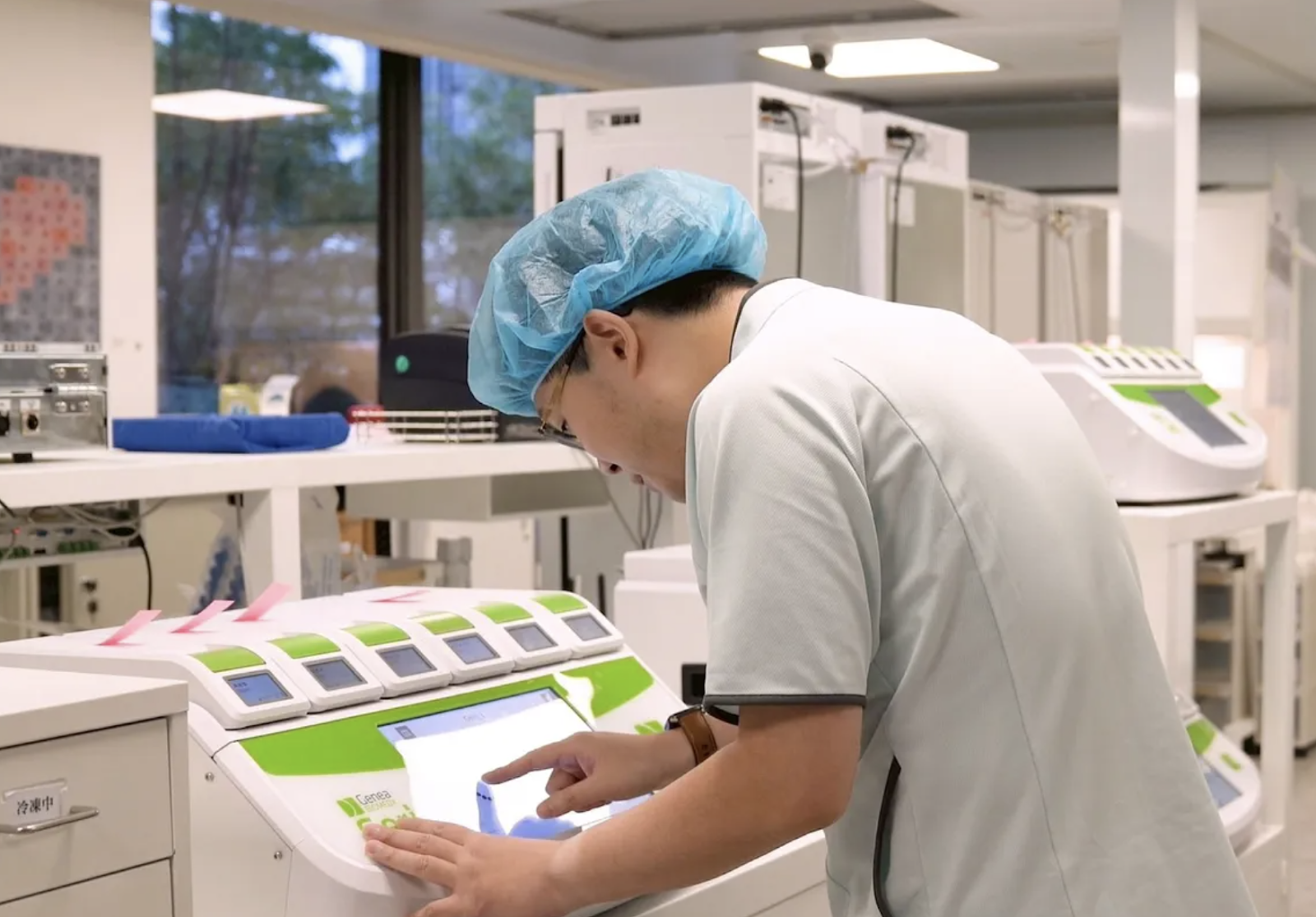
Taiwan's trend of late marriage and late childbearing continues to intensify, with older mothers often facing ovarian degeneration, decreased conception rates, and a higher risk of miscarriage on their journey to parenthood. In response, Dr. Hsing-Hua Lai and the Stork team are revolutionizing reproductive medicine through artificial intelligence. Their Three-Step Treatment Method significantly reduces the number of patient visits. The Artemis intelligent embryo management system enhances the accuracy of embryo selection, while three key technologies—4SG Laboratory, Personalized Precision IVF, and Implantation Emergency Care—have increased Stork's live birth rates to more than 50% above the national average.

Dr. Hsing-Hua Lai stated, "Reproductive freedom is more important than financial freedom."
With the support of AI and advanced reproductive technologies, modern women can safely and confidently manage their reproductive timelines, treating high-quality eggs as valuable time assets. Instead of being constrained by their biological clocks, they can plan their lives with greater ease and autonomy.
Linn's story is not only one of successful egg freezing but also one of choosing to secure a future full of possibilities—preserving time today to embrace happiness tomorrow.
For the full report, please visit Common Wealth Magazine: From Time Pressure to Time Assets, How Does AI Egg Freezing Technology Enable Modern Women to Redefine Reproductive Freedom?